
Adres: Esentepe Mahallesi, Zincirlidere Caddesi No:94 D:2 Şişli/İSTANBUL
Righteous Hoodie Colorways: Which One Suits Your Style?
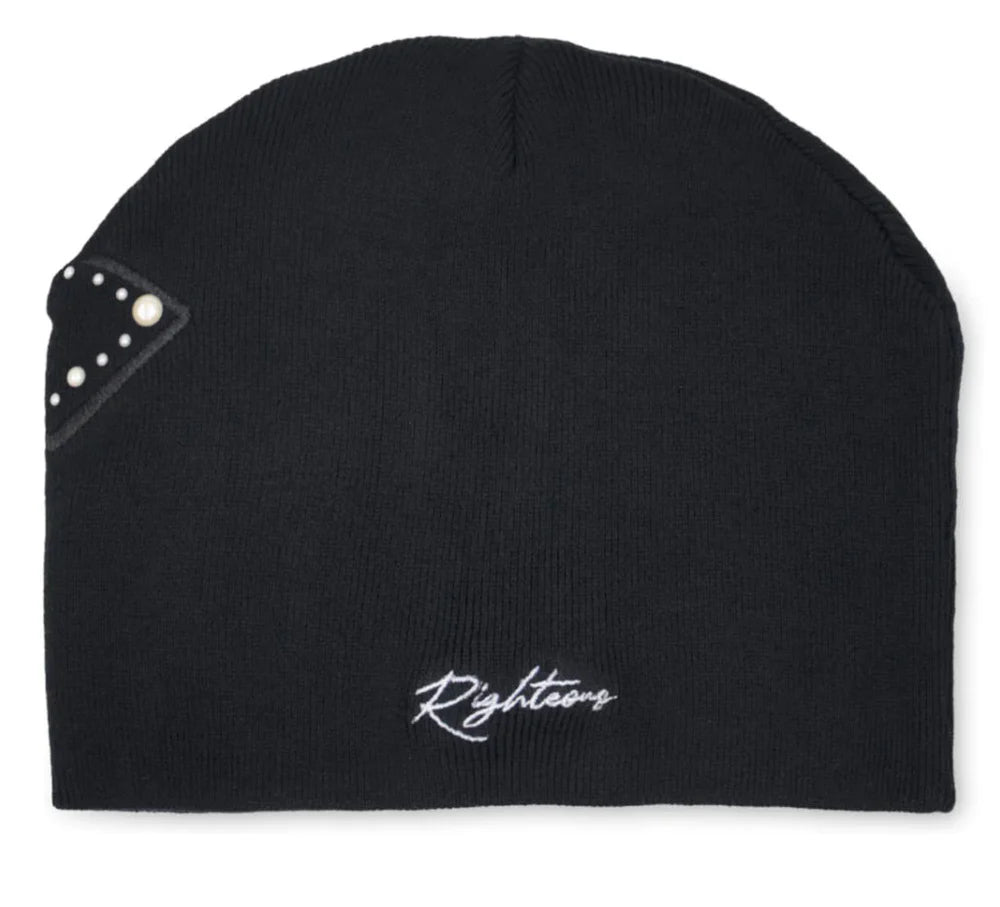
Selecting a hoodie tone feels like a minor choice until it ends up in your wardrobe and either sees wear weekly or goes unworn. We Are Righteous built its hoodie collection around this very challenge, providing a spread of tones that cover everyday neutrals, deeper statement tones, and a few middle-ground choices that work across seasons. This piece lays out how to weigh up shade choice, what each shade family communicates, and how the decision shapes styling, upkeep, and long-term wear. Whether you’ve just discovered the righteous clothing brand or already own a piece and are deciding what to add next, the goal here is to make the choice quicker and more certain.
Choosing a shade in streetwear is more than surface-level styling. It shapes how often a piece really gets worn, how it photographs, how it layers with the rest of a wardrobe, and how tolerant it is of repeated washing and everyday use. A hoodie in the wrong shade for someone’s daily rotation becomes a once-a-month item; the right one becomes a weekly staple. That distinction matters more than most shoppers expect when they’re scrolling product pages and picking based on a single photo.
Why the Color Decision Deserves More Attention
Most people default to black or grey because they presume neutral tones are the low-risk pick, and often they’re right. But safe doesn’t always mean the ideal match for an individual’s existing wardrobe or skin tone. A cool-leaning grey reads differently under office fluorescents than it does outdoors, and a warm-leaning neutral can fight against certain denim washes or outerwear tones already in rotation. Righteous apparel design accounts for this by maintaining consistent dye lots, which righteous tshirt matters because dye-lot variation are one of the most common complaints in budget streetwear — colors shift between orders and customers wind up with two “black” hoodies that don’t actually match.
Add to that a practical laundering angle. Darker colorways conceal pilling and minor stains longer, which extends the visual lifespan of a garment from wash to wash. Lighter and pastel-adjacent shades reveal wear sooner but look better in photos for content-heavy shoppers who share fit pics often. Anyone reading a righteous review before buying will usually see this trade-off mentioned — buyers care about how a hoodie looks six months in, not just on day one. Fabric weight also interacts with color: heavier cotton blends tend to hold saturated colors better through repeated laundering than thinner fabrics, which fade faster no matter the dye quality.
Breaking Down the Righteous Hoodie Colorway Families
The righteous hoodie catalog usually breaks down into three functional buckets for shoppers looking to create a well-matched wardrobe: core neutrals, bold standout shades, and crossover colorways. Foundational neutrals cover black, charcoal, and off-white — these are the tones that slot easily into virtually any wardrobe someone already owns without needing a reconsideration of the rest of the outfit. Bold statement shades include options like deep burgundy, forest, or navy, which carry added flair without straying into anything that limits styling flexibility. Transitional shades fall between the two, often toned-down, chalky versions that perform well through three seasons but read slightly differently according to lighting conditions and what they’re paired with.
Understanding which group a colorway belongs to helps customers prevent excess buying in one narrow category. A frequent pitfall is buying three hoodies that are nominally distinct in color but indistinguishable in practice in their styling role — three dark neutrals, for example, when one dark neutral and two more distinct tones would produce a wider range of looks. This is a nuance that goes unnoticed in a single-item product photo but turns apparent once someone owns multiple pieces from the same collection.
Aligning Hoodie Colorways with Skin Tone and Wardrobe
Complexion affects how a color comes across to a greater degree than most people factor in. Warmer undertones usually complement olive, rust, and warm-toned neutrals, while cool-leaning complexions tend to favor true black, navy, and frosty grey tones. This isn’t set in stone, but it clarifies why an identical hoodie can look flattering on one person and somewhat dulled on another even with the same cut and material. Someone who isn’t sure of their undertone can do a quick check: gold jewelry that looks better than silver against the skin generally points to warm undertones, and the opposite generally indicates cool undertones.
What’s already in the closet matters equally. Anyone whose closet trends toward warm earth tones — olive jackets, brown boots, tan pants — will get more mileage from a righteous hoodie piece in a complementary color than from a stark black piece that requires building a whole new outfit around it. The smartest approach to building a wardrobe is to choose a shade that bridges at least two existing outfit categories instead of one that pairs solely with just one pair of pants already in the closet.
A Comparison of the Core Righteous Hoodie Shades
The chart that follows weighs the core colorway options based on adaptability, how they hold up across seasons, and care requirements — three considerations that prove more important in everyday wear than initial visual appeal.
| Hue Variant | Most Suited To | When to Wear It | Cleaning Effort |
|---|---|---|---|
| Black | Everyday wear, mixing into layered outfits, low-maintenance rotation | All seasons | Light — masks fabric pilling and minor stains nicely |
| Grey, Charcoal Shade | Semi-formal outfits, muted wardrobe bases, and cooler undertones | Fall through spring | Fair — displays fuzz more than black |
| Off-White | Social-media creators, summer-ready looks, attention-grabbing pieces | The spring-summer stretch | High — demands extra cleaning attention |
| Rich Deep Burgundy | Warm complexions, fall closets, and standout pieces | From fall to winter | Fair — dark tone conceals the bulk of wear-and-tear |
| Green, Forest Tone | Earth-tone wardrobes and outdoor-inspired looks | From fall to early spring | Fair — visible fading noticeable after repeated washes |
This breakdown isn’t about rating colorways as better or worse — the point is aligning upkeep willingness and seasonal habits to the ideal option. A buyer who wears hoodies daily and washes infrequently should lean toward black or burgundy. A person putting together a warm-weather capsule wardrobe will get more use from off-white, despite the extra care it requires.
Why Colorway Matters for Longevity and Value Per Wear
Since outerwear and outer pieces get worn much more often than the rest of a wardrobe, cost-per-wear is worth applying to hoodie purchases. Worn two times weekly for a year, a hoodie reaches over 100 wears; worn two times monthly, that number falls closer to 24. Colorway accounts for a lot of that gap, since a clashing shade gets skipped more frequently, no matter how good the fit or fabric turns out to be.
Darker colorways in the We Are Righteous lineup tend to post better cost-per-wear numbers specifically because they resist visible wear longer and pair with more existing pieces. That’s not a knock against lighter shades — it’s simply a data point that should factor into the decision, especially for buyers making their first purchase from the brand and trying to decide where to start. A first-time shopper aiming for the most wear should generally start with a neutral and expand into statement tones once that neutral piece has proven itself in regular wear.
How Colorways Perform Over Time, According to Reviews
A handful of recurring themes show up again and again in buyer feedback no matter the shade. Color retention after repeated washes is the most frequently mentioned point in a we are righteous review, with darker tones generally rated higher for holding onto color depth after 15-20 washes compared to lighter shades, which exhibit more noticeable fading over that same span. Fit consistency across colorways is another point reviewers bring up — buyers report that sizing feels the same regardless of shade, which suggests dye processes aren’t affecting fabric shrinkage or stretch in noticeable ways.
Months after the purchase, not merely at checkout, the color selected shapes outfit flexibility, as reviewers also mention. A neutral-toned hoodie, it’s often said, became a rotation staple, whereas by contrast louder colorway purchases got trotted out only occasionally. Lining up with the earlier per-wear reasoning, this underscores that colorway choices deserve six-months-from-now wear as the guiding thought, not just checkout-photo appeal.
Final Thoughts on Choosing Your Colorway
No colorway is universally correct—only one suited to an individual’s skin tone, existing wardrobe, climate, and washing habits. If a buyer is starting a first capsule with We Are Righteous, a core neutral should come before richer, more seasonal colorways, simply because neutral shades blend in sooner and confirm fit and fabric quality before any larger spend. Meanwhile, those with a warm-toned closet already built out should go straight for burgundy or forest green instead of defaulting to black simply because it seems safest.
Shade choice, as the bigger lesson shows, is far from a superficial detail in the righteous clothing range — rather, it’s a functional decision with real consequences for how often a piece gets worn and how long it looks good doing it. What separates a hoodie that becomes a daily go-to from one that sits folded on a shelf is matching color to lifestyle, not just to one styled snapshot.
BENZER ÜRÜNLER
İlginizi çekebilecek diğer ürünlerimiz

Casinozer Casino France – Bonus de Bienvenue de 100% ▶️ JOUER Содержимое Le Bonus de Bienvenue : Un Avantage pour...
DEVAMINI OKU
Een online casino kiezen vraagt om meer dan een aantrekkelijke welkomstbonus of een opvallende vormgeving. Wie verantwoord wil spelen, kijkt...
DEVAMINI OKU

30.12.2012 tarihli ve 28513 sayılı Resmi Gazete’de yayımlanarak yürürlüğe giren 6362 sayılı Sermaye Piyasası Kanunu’nda (Kanun) yer alan düzenlemeler kapsamında...
DEVAMINI OKU
Live casino entertainment is moving beyond traditional card tables, and game-show formats are helping shape that change. Bright visuals, instant...
DEVAMINI OKU
Indice Vantaggi dei Depositi in Criptovalute Preparazione: Il Tuo Wallet Bitcoin Procedura di Deposito Step-by-Step Verifica e Utilizzo dei Fondi...
DEVAMINI OKU
Ein Online-Casino lässt sich leicht mit einem Spielautomaten vergleichen: Die Oberfläche blinkt, die Versprechen leuchten, doch entscheidend ist, was hinter...
DEVAMINI OKU